What happens to patient mortality when thousands of top cardiologists leave the hospital to attend a national medical conference? You might assume patient outcomes get worse. But the data shows the exact opposite: patients actually do better. Why? Because human behavior, incentives, and economics ripple through patient care in ways we rarely recognize.
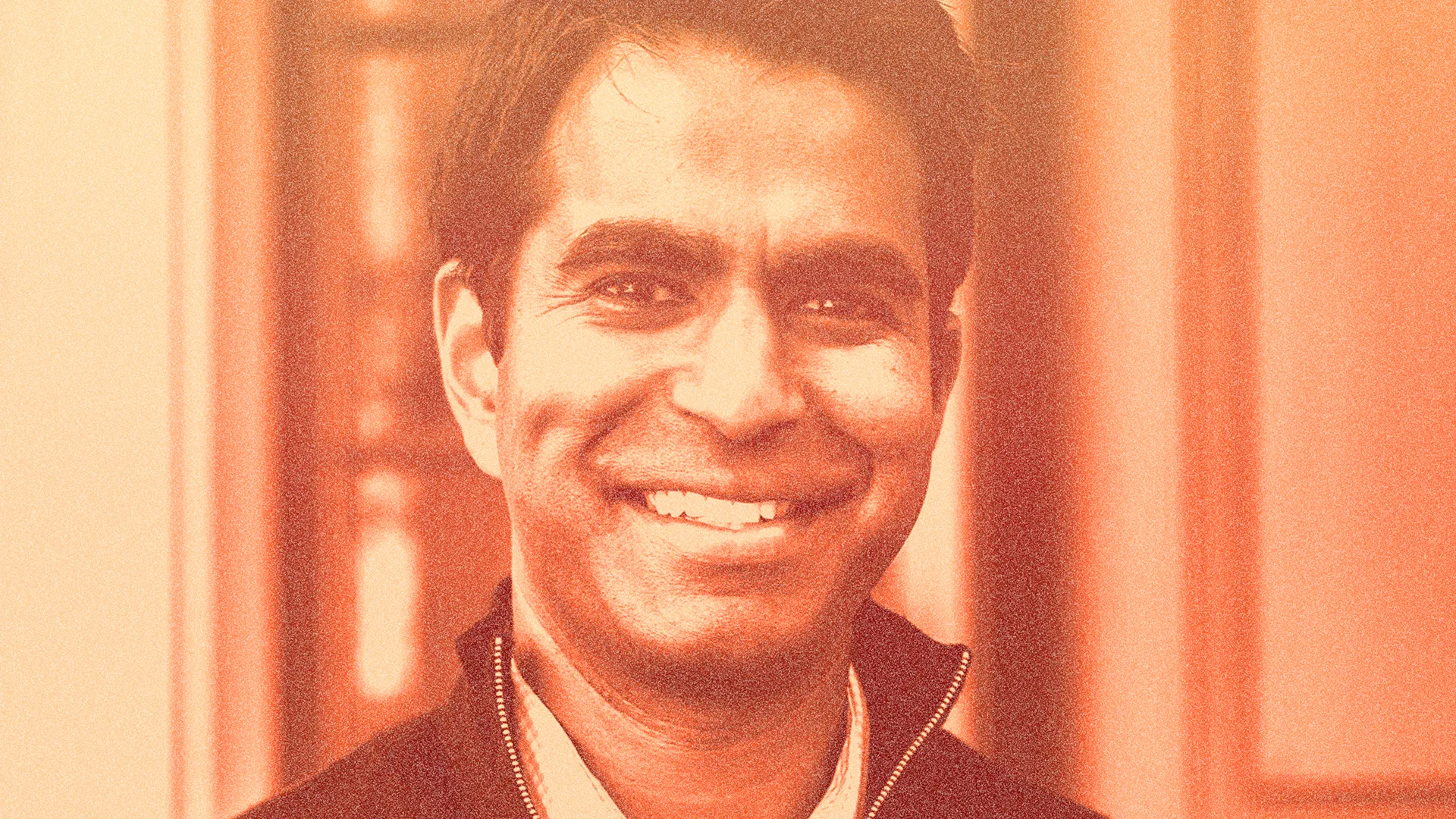
In this week’s episode of Good Medicine, I am thrilled to sit down with Dr. Anupam Jena. Dr. Jena is a unicorn in medicine—a practicing internal medicine physician at Massachusetts General Hospital and a PhD economist who holds the Joseph Newhouse Professorship of Health Care Policy at Harvard Medical School. He is also the creator of the hit podcast Freakonomics MD and the co-author of the bestselling book Random Acts of Medicine.
Dr. Jena has an unmatched gift for turning everyday curiosities into insights that transform how we think about health, healthcare, and the way doctors make decisions. In our conversation, we explore how he uses “natural experiments”—random, real-world events that mimic randomized clinical trials—to uncover the hidden forces shaping clinical outcomes.
Here are three mind-bending takeaways from our conversation:
1. The “August Birthday” ADHD Bias In states where the public school cutoff is September 1st, a child born on August 31st will be the youngest in their kindergarten class, while a child born on September 2nd will be the oldest. Dr. Jena’s research found that those August-born kids are 30% more likely to be diagnosed with ADHD than their September-born peers. Why? Because doctors and teachers often compare a young child’s baseline maturity to older peers in the same grade, leading to diagnoses driven by relative age rather than underlying biology.
2. When Doing Less is Actually More Returning to the cardiologist question: Dr. Jena studied what happens during major national cardiology meetings when many doctors are out of town. He found that patient mortality for high-risk cardiac conditions actually decreased. The takeaway isn’t that cardiologists are harmful, but rather that when staffing is tight, the medical system pulls back on marginal, high-risk interventions that might cause more harm than good. It’s a powerful lesson in the risks of medicine’s inherent bias toward “doing more.”
3. The Flaw in Value-Based Care We hear a lot about transitioning the US healthcare system to “value-based care,” where health systems are financially rewarded for quality outcomes rather than the sheer volume of services provided. But Dr. Jena points out a massive structural tension: we are asking institutions to be financially accountable to reduce unnecessary tests, but the individual physician still carries 100% of the malpractice liability if they miss a diagnosis. Until we align systemic goals with individual physician risk, changing doctor behavior will be an uphill battle.
Also in this episode:
- How a freak snowstorm in Chicago accidentally launched his career in economics.
- Why getting your flu shot in the morning versus the afternoon might alter your immune response.
- Why surgical outcomes improve with a doctor’s age, but medical outcomes often decline.
- How economists calculate the private vs. social “value” of a human life, especially in oncology.
If you are fascinated by human psychology, behavioral economics, or simply want to know how your doctor’s brain works, please join us for this conversation.
If you’re a US-based physician, continue the conversation with Dr. Jena on Roon!
New Good Medicine episodes are released every other week.
If you’re a US-based physician, visit: www.roon.com
Find us on Instagram and X: @roondoctors
If you have a question, comment, or suggestion for a future guest, please email us: jane@roon.care