What happens when you take the lessons learned from fighting the HIV/AIDS epidemic in rural Uganda and apply them to one of the largest health departments in the world?
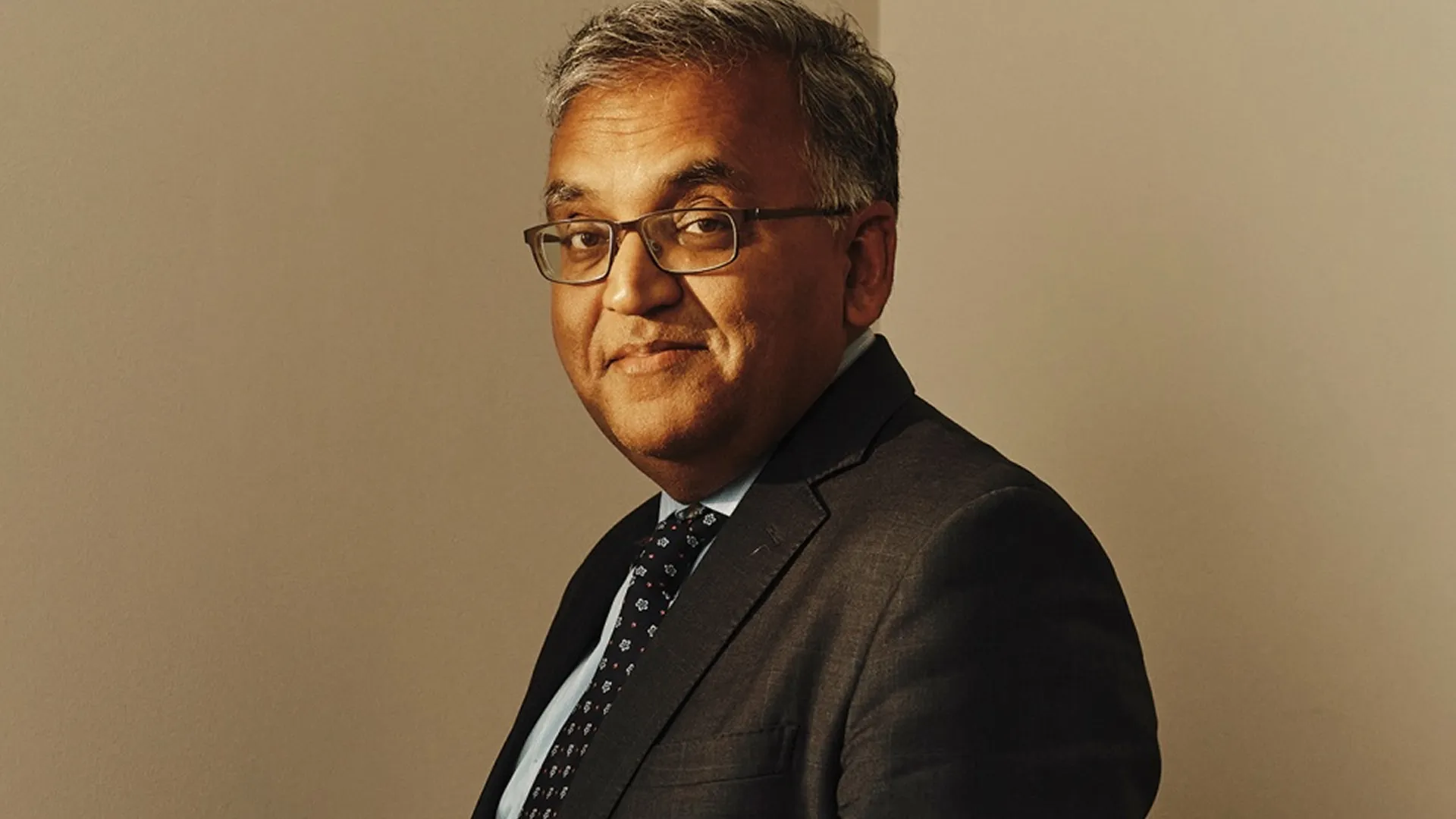
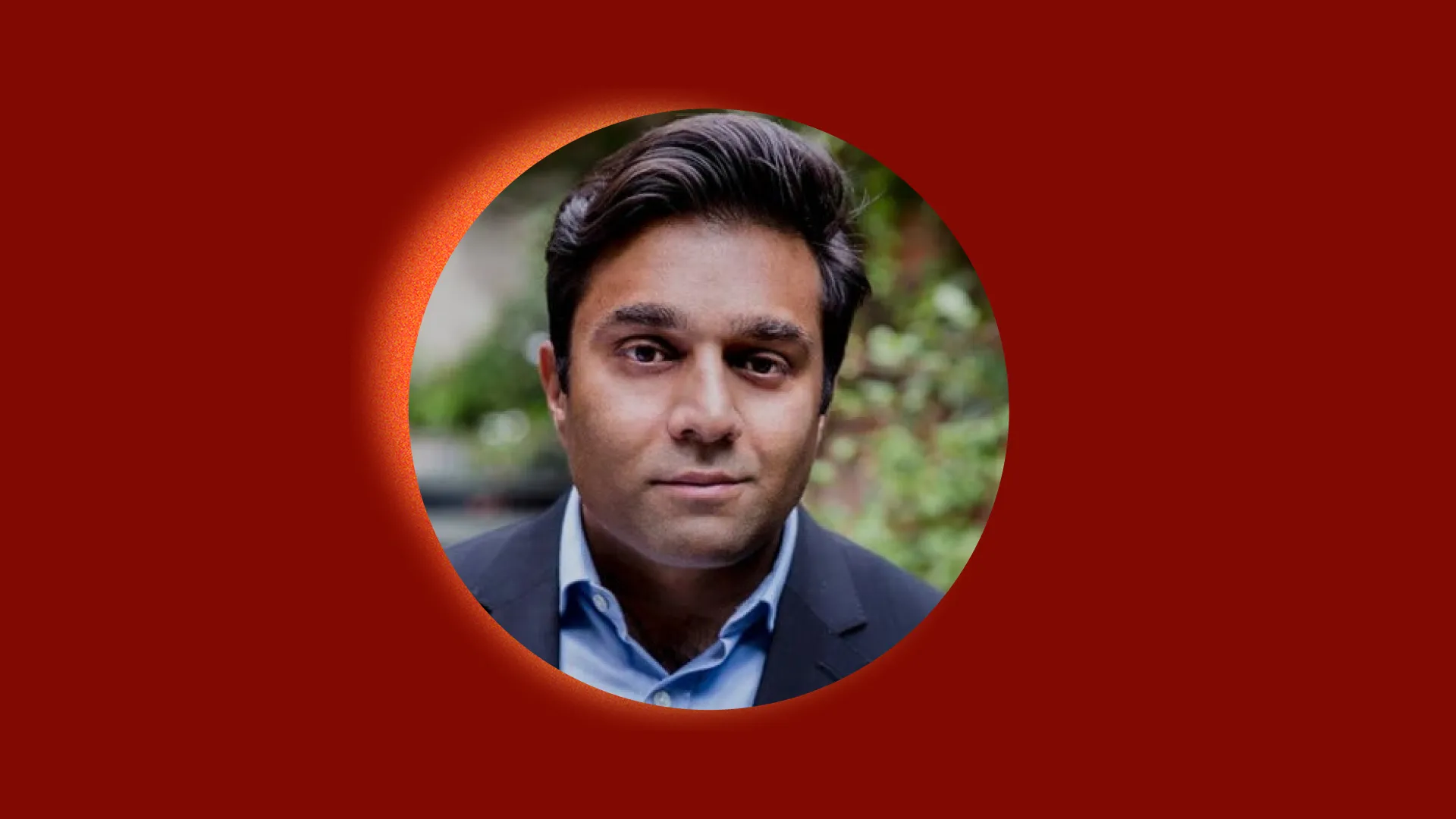
In this week’s episode of Good Medicine, I sit down with Dr. Ashwin Vasan, the 44th Health Commissioner of New York City. Dr. Vasan’s story begins with the immigrant experience and with the example of his mother, a pioneering neonatologist on the South Side of Chicago who saved countless premature babies. Growing up in the shadow of that kind of purpose, he wondered whether he could ever live up to her legacy. I think it’s safe to say: she has a lot to be proud of.
His path to public health was anything but linear. He moved through economics, global health, and medicine, working alongside legends like Dr. Paul Farmer and Dr. Jim Yong Kim. Along the way, he built the kind of moral clarity, operational experience, and leadership fortitude that would later define his tenure as New York City’s Health Commissioner during one of the most difficult periods in modern public health: the COVID-19 pandemic.
Dr. Vasan brings a refreshing, candid perspective to the systemic failures of American healthcare, the necessity of public-private partnerships, and why public health officials must be willing to engage with political movements they may fundamentally disagree with.
Here are three major takeaways from our conversation:
1. Life Expectancy as a “North Star” Metric
During his tenure, Dr. Vasan launched HealthyNYC, a citywide public health initiative organized around a deceptively simple goal: helping New Yorkers live longer. The ambition was measurable: raise life expectancy in New York City to 83 years by 2030. That target mattered because the city had just suffered one of the sharpest reversals in modern public health: life expectancy fell from 82.6 years in 2019 to 78.0 years in 2020, a 4.6-year drop driven largely by COVID-19, with the steepest losses borne by Black and Latino New Yorkers.
But HealthyNYC was not just about recovering years lost to the pandemic. It forced the city to confront the drivers of premature death directly: chronic disease, cancer, overdose, suicide, violence, maternal mortality, and persistent racial inequities. In maternal health, the disparities were especially stark: NYC Health data show that from 2016 to 2020, Black non-Hispanic women were six times more likely to die of a pregnancy-related cause than white non-Hispanic women.
He also made life expectancy an accountable public health KPI. In so doing, Dr. Vasan widened the aperture of what a health department could be responsible for. Public health was no longer just about outbreak response or disease surveillance. It became a positive, measurable force for helping people live longer, healthier, more dignified lives.
2. The “Cost of Inaction” in Youth Mental Health
Faced with skyrocketing rates of teen suicide, anxiety, and depression, Dr. Vasan spearheaded Teen Space, a free telehealth therapy platform for NYC youth. Despite facing criticism from quarters skeptical of public-private partnerships and telehealth startups, he pushed forward, arguing that the status quo was literally killing kids. Today, the program serves nearly 75,000 children—60% of whom identify as Black, Indigenous, or people of color, largely hailing from the zip codes hardest hit by COVID-19. His lesson for leaders: never let critics make you forget that the cost of inaction is too high.
3. Medicine Dropped the Ball on Nutrition (and the MAHA Movement) When asked about the current political focus on food systems driven by the “Make America Healthy Again” (MAHA) movement, Dr. Vasan offered a refreshing take. He admits that the medical establishment fundamentally dropped the ball on nutrition and environmental health, leaving a vacuum that RFK Jr. and grassroots advocates have filled. While he acknowledges the severe dangers at play from this current administration—pointing to the resurgence of measles in part driven by federal vaccine skepticism—he views this moment as a massive opportunity. Health and corporate food power are finally at the center of the national political conversation, and he believes serious public health leaders must engage with this administration to drive evidence-based change regarding ultra-processed foods.
Also in this episode:
- The profound impact of immigrant physicians on the U.S. healthcare system.
- Why his 9-year-old daughter gave him the strength to stay in office despite protesters regularly showing up at his home.
- The urgent need to modernize public health data with AI, moving beyond fax machines to integrate wastewater surveillance and EHR data.
- Why abandoning global institutions like the WHO and USAID threatens monumental success stories like PEPFAR, which has saved almost 30 million lives.
If you are interested in the intersection of urban policy, global health diplomacy, and the operational grit required to lead a city through crisis, you won’t want to miss this episode.
If you’re a US-based physician, continue the conversation with Dr. Vasan on Roon!