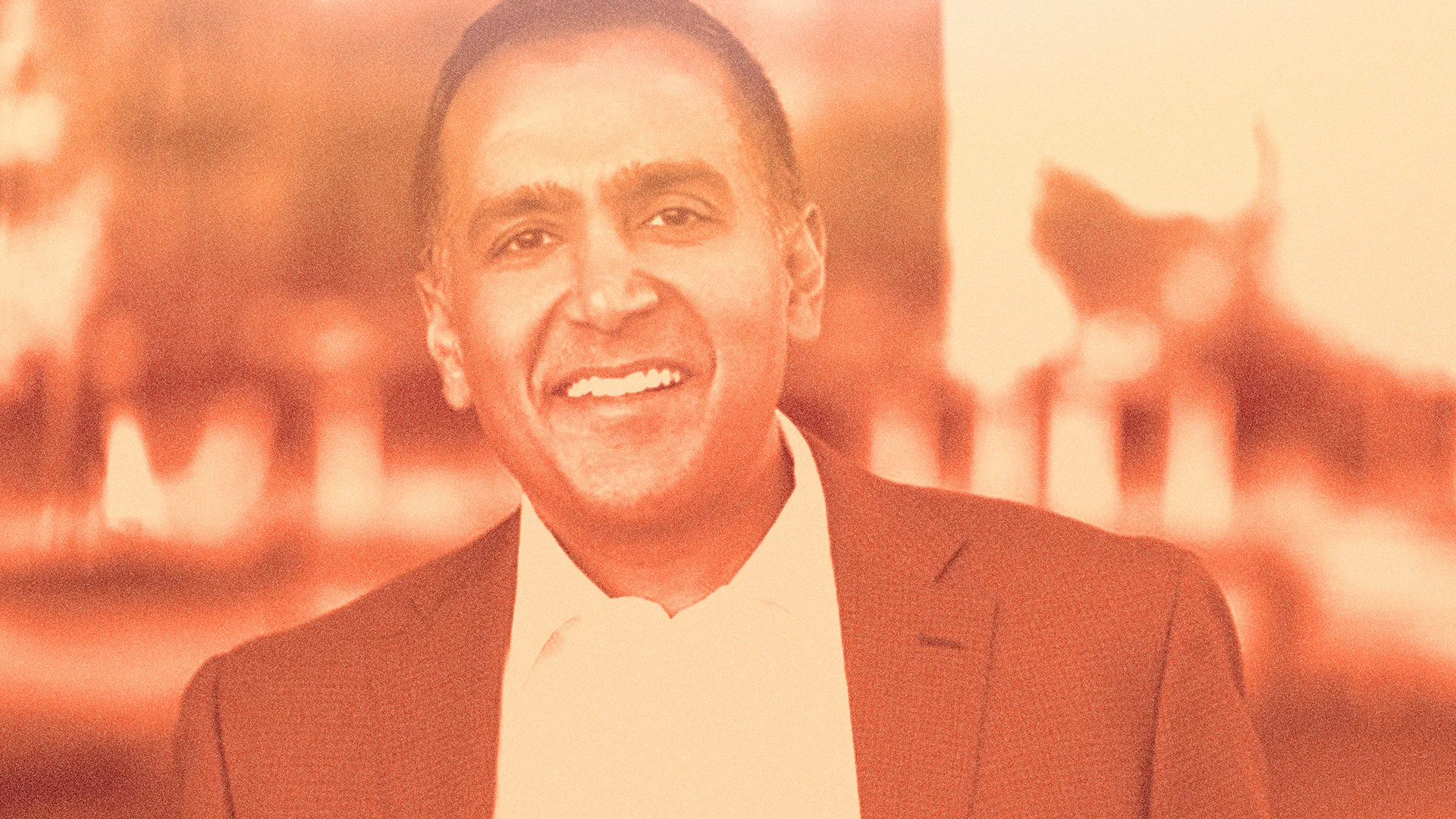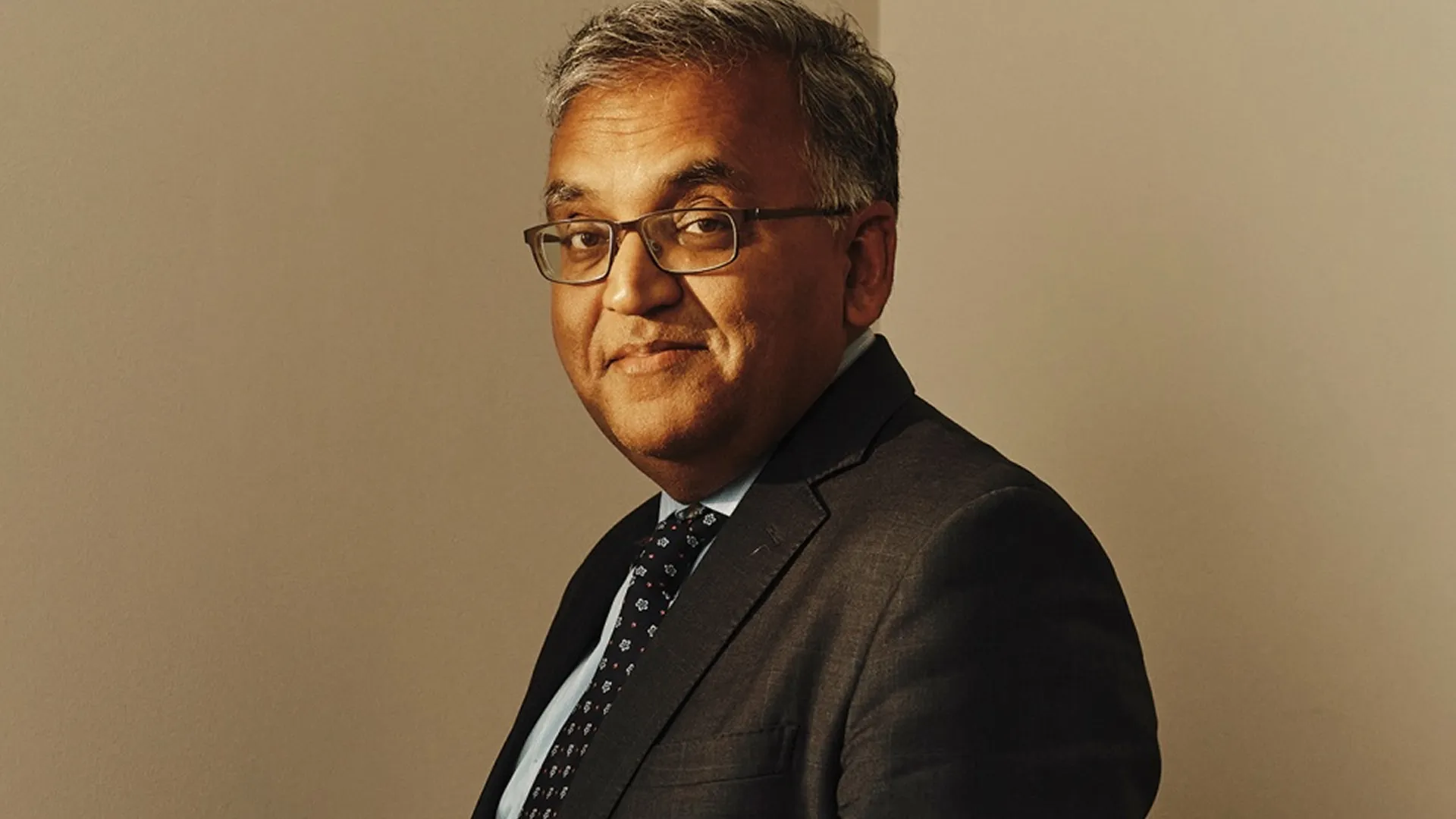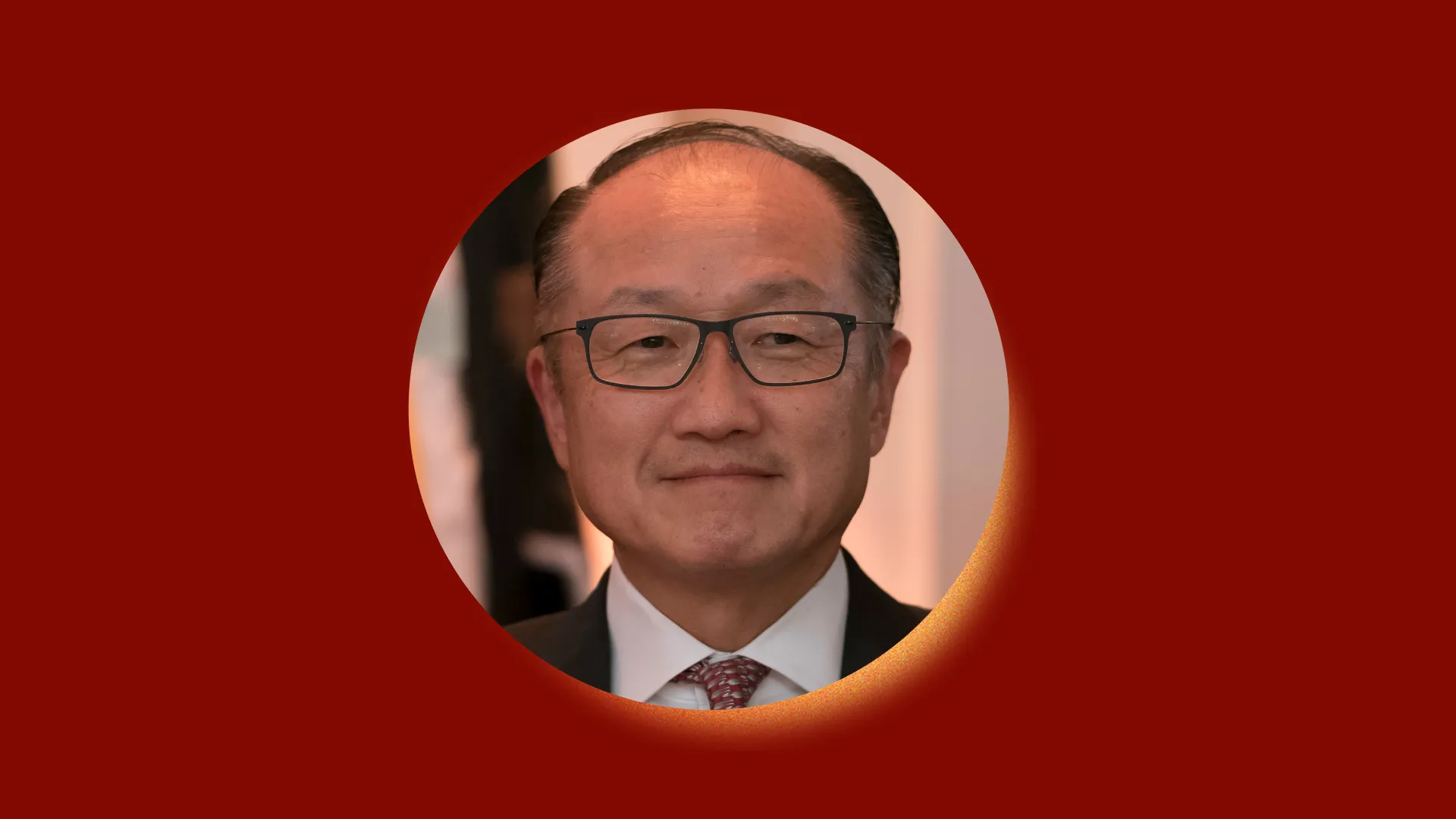
How does a child of Korean refugees, raised in a small town in Iowa, become a high school quarterback, a medical anthropologist, co-founder of Partners In Health, President of Dartmouth, and eventually president of the World Bank?
In Dr. Jim Yong Kim’s case, the answer is not ambition in the usual sense. It is a lifelong habit of walking into complicated human systems — villages, hospitals, universities, ministries, global banks — and asking the question that anthropology taught him to ask: Who are these people, what do they want, and how can we make the world better for the people with the least power?
In this week’s episode of Good Medicine, my Roon Co-founder Vikram Bhaskaran and I sit down with Dr. Kim for one of the most extraordinary conversations we’ve had. His life traces the creation of the modern global health movement: from Brown and Harvard, to Haiti and Peru, to the World Health Organization, the World Bank, and the rooms where the future of global health was argued into existence.
What makes Dr. Kim so compelling is not just the scale of what he has done. It is the way he thinks. He is part physician, part anthropologist, part organizer, part institutional insurgent. Again and again, he entered systems that had decided certain people were too poor, too remote, too complicated, or too inconvenient to treat — and then helped prove those systems wrong.
We talked about his early life in Iowa, his father’s insistence that he “get a skill” before becoming an activist, the first conversations with Paul Farmer that led to Partners In Health, the fight to treat multidrug-resistant TB and HIV in the poorest parts of the world, and why he believes physicians have a special responsibility to stand with the vulnerable.
Here are three takeaways from our conversation:
1. “What do we owe the world?”
One of the most moving moments in the episode comes when Dr. Kim describes his early friendship with Paul Farmer. After a car accident forced Farmer to remain in Boston, the two spent months talking about medicine, justice, Haiti, and responsibility. At one point, Farmer asked him: given the “ridiculously elaborate nature” of their educations, what was the nature of their responsibility to the world?
That question changed the course of Dr. Kim’s life.
It eventually pulled him toward Haiti, toward Partners In Health, and toward a radical idea that should not have been radical at all: poor people deserved the same standard of medical care as anyone else. Not a cheaper morality. Not a smaller ambition. The same care.
2. The “sputum mule” and the MDR-TB revolution
In the 1990s, Dr. Kim and his colleagues discovered a massive outbreak of multidrug-resistant tuberculosis in a squatter settlement in Lima, Peru. At the time, the global health establishment believed MDR-TB was too difficult, too expensive, and too impractical to treat in poor countries.
So they did what physician-scientists sometimes have to do: they built the evidence themselves.
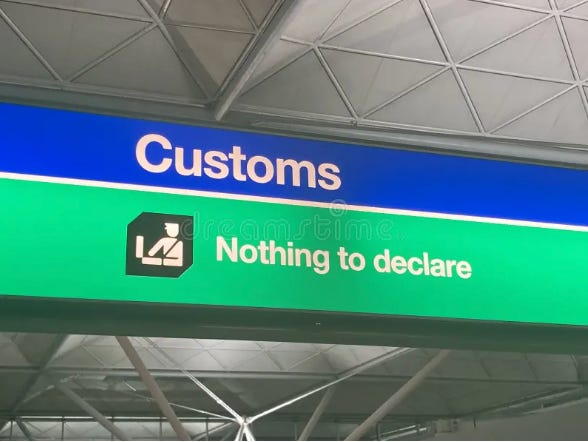
Dr. Kim describes carrying sputum samples from Peru back to the Massachusetts State Lab, joking that airport signs banned fruit, meat, dairy, and farm animals — but said nothing about sputum. Those samples helped prove that patients were not simply “noncompliant.” They had real drug resistance. They were dying from a system that refused to see them.
Against enormous opposition, the team treated the patients anyway. They managed psychosis from cycloserine, severe GI side effects, daily adherence challenges, and the constant fear that if they failed, the world would use that failure as proof that MDR-TB treatment in poor countries should never be tried again.
They achieved roughly 85% cure rates and eventually secured a historic Gates Foundation grant that helped change global TB policy.
3. The HIV fight exposed the same moral failure
When Partners In Health and its allies turned to HIV/AIDS, they heard the same arguments all over again.
It was too expensive. Too complicated. Too hard. Africans would not be able to adhere to treatment. One senior official even testified that people in Africa could not follow antiretroviral schedules because they “didn’t have watches” and lacked a concept of time.
Dr. Kim is direct about what that was: false and racist.
But he and his colleagues also knew something the establishment refused to accept. HIV treatment was possible. Generic manufacturers could dramatically reduce the cost. Fixed-dose combinations could simplify adherence. Activists, physicians, scientists, and political leaders could build a movement large enough to change what the world thought was feasible.
That movement helped make HIV treatment available to more than 30 million people.
Also in this episode:
- How Dr. Kim’s father pulled the car over in Iowa and told him he could study politics and philosophy after residency.
- Why anthropology has been useful in every room he has ever entered — from Peru to Dartmouth to the World Bank.
- How his hometown of Muscatine, Iowa, helped him bond with Chinese President Xi Jinping.
- Why he sees China’s poverty reduction from 1990 to 2020 as one of the most extraordinary economic transformations in history.
- What he learned from Angela Merkel’s combination of scientific rigor and moral courage.
- Why he believes Roon could become a “global curbside consult system” for physicians.
- Why the current rise of anti-science and anti-intellectualism should be a galvanizing call for doctors.
- And why he still believes physicians are the “natural attorneys of the poor.”
This is a conversation about medicine, yes. But more than that, it is a conversation about what it means to refuse the world as it is given to you.
If you care about the history of modern medicine, the future of global health, the moral responsibility of physicians, or how we as docs can bend the universe toward justice, I think you’ll love this episode.
If you’re a US-based physician, continue the conversation with Dr. Kim on Roon!
Visit: www.roon.com
Find us on Instagram and X: @roondoctors
If you have a question, comment, or suggestion for a future guest, please email us: jane@roon.care