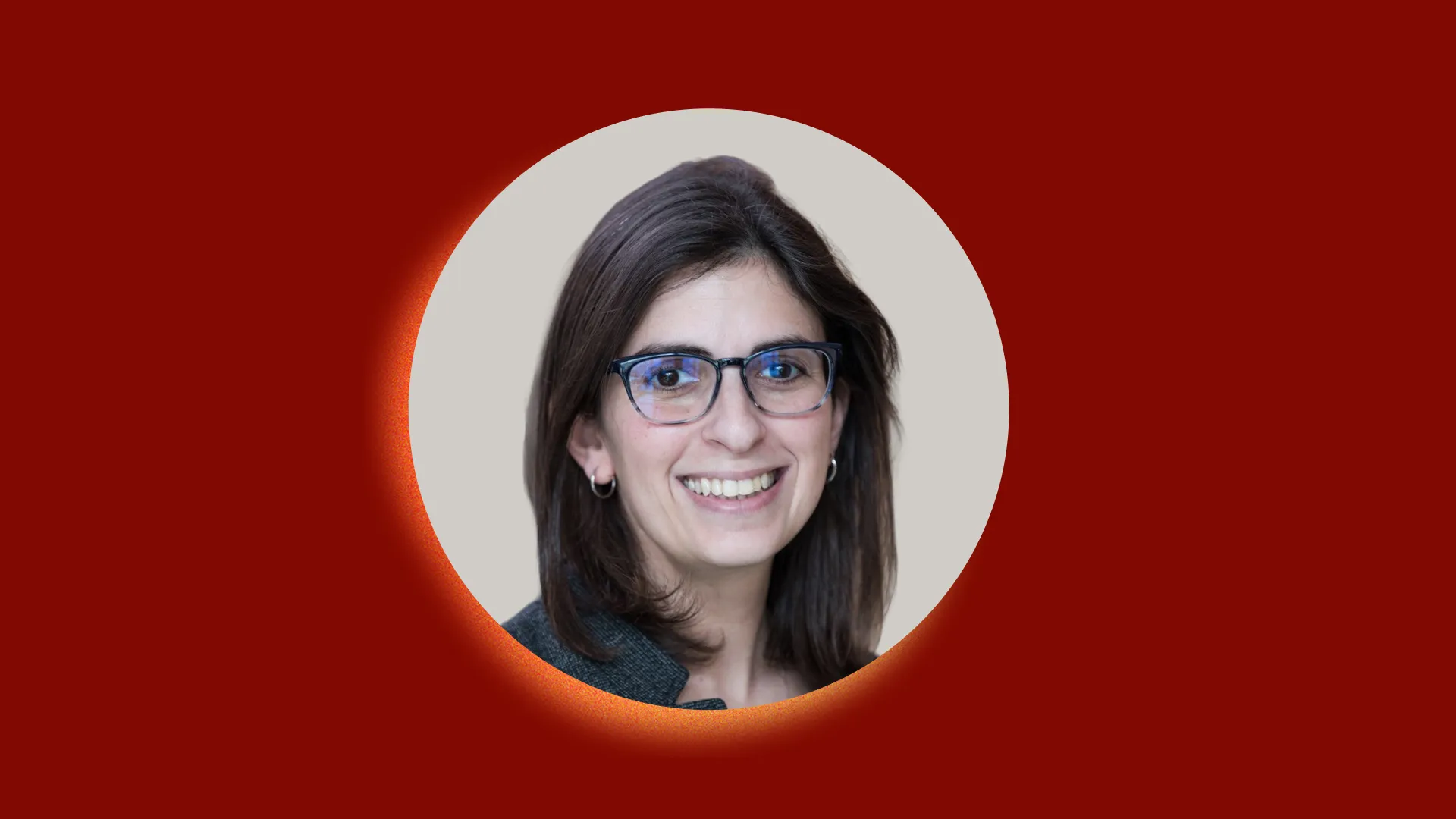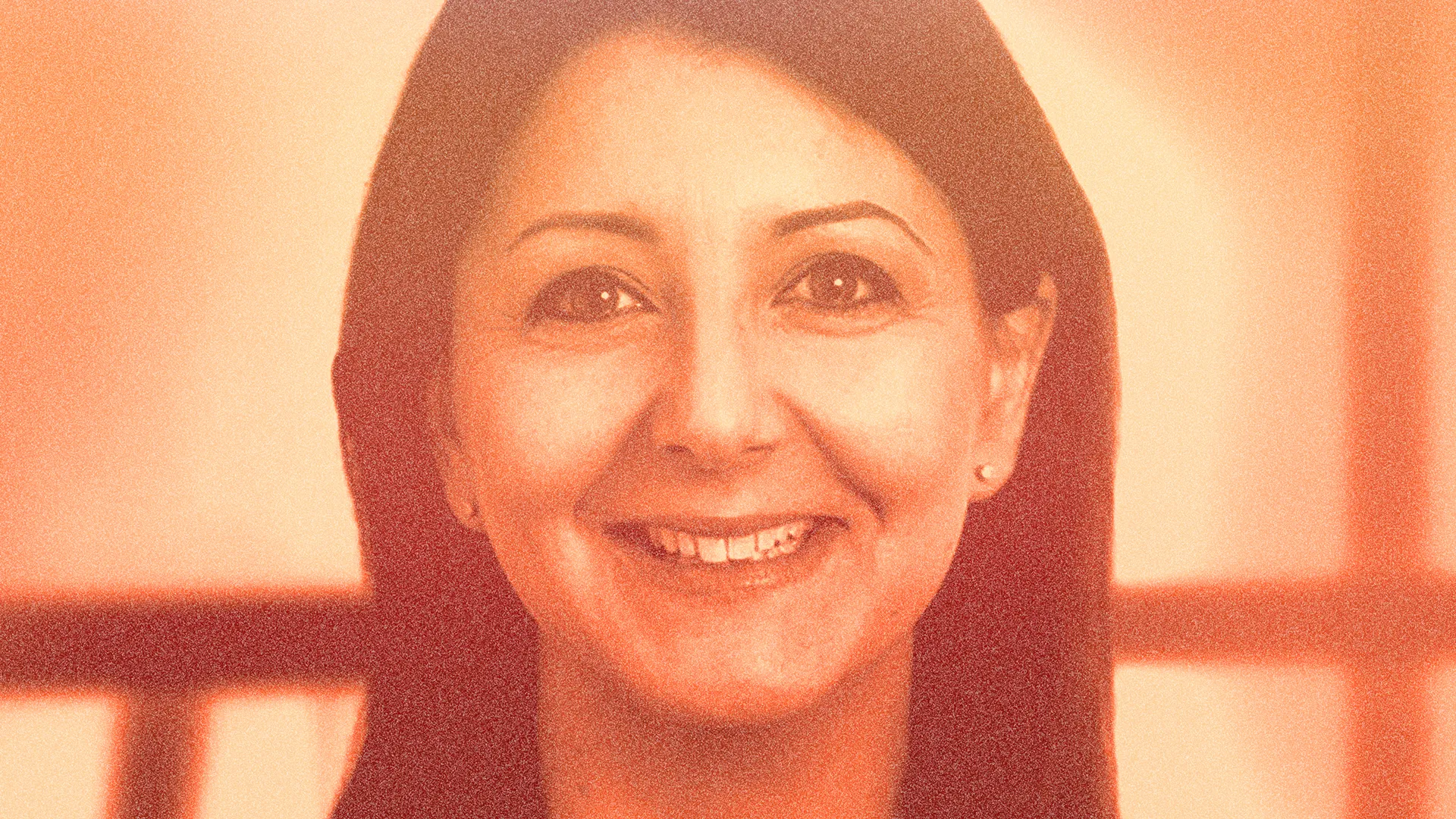
Why would a doctor leave the front lines of clinical care to navigate the bureaucratic maze of government? For Dr. Mandy Cohen, the answer was simple: you can’t fix a fundamentally broken healthcare system one patient at a time. You have to change the rules of how it operates.
In this week’s episode of Good Medicine, I am thrilled to sit down with Dr. Mandy Cohen. Dr. Cohen is a powerhouse of public service and health policy—having served as the Director of the CDC, the Secretary of the North Carolina Department of Health and Human Services, and one of the earliest team members at the Center for Medicare and Medicaid Innovation (CMMI).
She is one of the rare people who can move fluently between medicine, policy, and operational execution. In our conversation, we talked about what it actually takes to improve healthcare at scale: building bipartisan coalitions, changing incentives, and modernizing public health infrastructure. We also talked about leading through institutional crisis.
Here are three takeaways from our conversation:
1. The “Stroke” Litmus Test for Value-Based Care
We hear a lot about transitioning the US healthcare system to “value-based care,” but Dr. Cohen boils its future success down to a simple, clarifying clinical scenario: Does your health system wake up every day trying to prevent strokes, or trying to maximize treating strokes? The answer to that question cuts through a lot of noise.
2. Social determinants are not separate from healthcare. They are healthcare
During her tenure in North Carolina, Dr. Cohen led a bipartisan Medicaid transformation— spearheading interventions that specifically targeted upstream drivers of health directly into the program. Through operational rigor and bipartisan stakeholder management, she successfully implemented policies that directly affected SDOH. The result was a Medicaid waiver—approved by the Trump administration—that integrated social interventions directly into medical policy, with results she believes should become a permanent part of the Medicaid program.
3. The Fragility of our Public Health Infrastructure
When Dr. Cohen took over the CDC, she inherited siloed data, outdated technology, and eroded public trust. The same fax-machine era problems that plagued COVID response at the state level were still alive federally. Fixing that meant rethinking the agency’s data systems and operating model from the ground up.
Also in this episode:
- How the infamous healthcare.gov website crash accidentally launched her career as an operations expert.
- Why your first day in a new leadership role should focus entirely on culture and values, rather than a 100-day plan.
- How hospital systems should evaluate AI tools and why EHR workflow integration is the ultimate make-or-break metric.
- Why she fundamentally believes that government can still do hard things.
If you are fascinated by the intersection of clinical medicine, public policy, and the operational challenges of changing healthcare at scale, please join us for this conversation.
If you’re a US-based physician, continue the conversation with Dr. Cohen on Roon!
New Good Medicine episodes are released every other week.
If you’re a US-based physician, visit: www.roon.com
Find us on Instagram and X: @roondoctors
If you have a question, comment, or suggestion for a future guest, please email us: jane@roon.care