Every health system wants to be an AI pioneer. Every frontier lab wants to be the vendor of choice. But, someone else has to figure out the implementation, the liability, and which budget is paying for it.
The excitement is understandable. But getting from an impressive demo to something that reliably helps doctors and patients is where the real work begins.
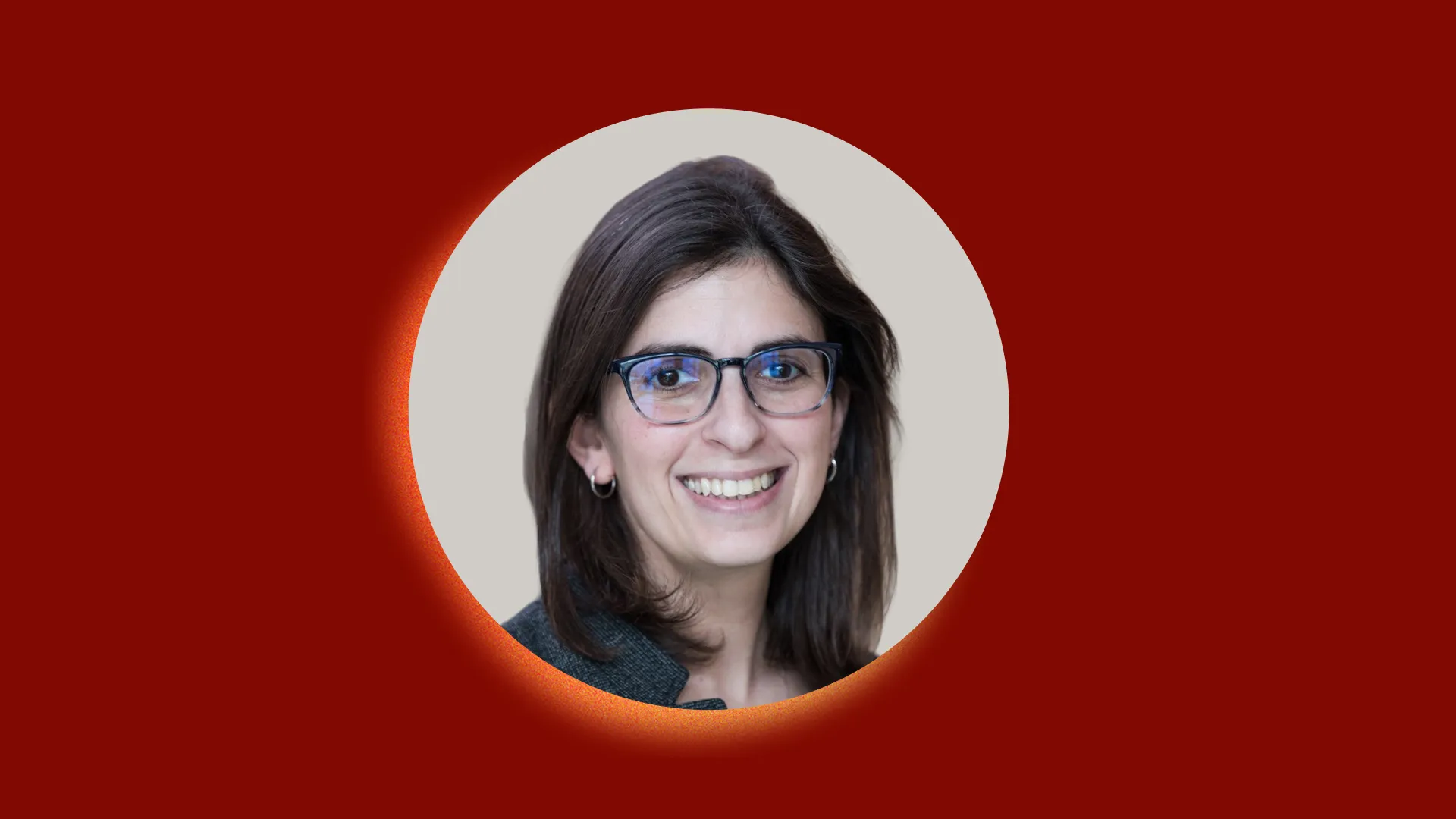
In this week’s Good Medicine, I sit down with Dr. Sara Murray, Vice President and Enterprise Chief Medical Informatics & AI Officer at Johns Hopkins Medicine(She previously, she led health AI efforts at UCSF). She’s spent years tackling the questions that tend to get less airtime than the latest model announcement: Does this actually improve care? Can we afford it? And what happens after we turn it on?
Sara brings a refreshing combination of optimism about AI and experience with what it takes to make anything work inside a hospital. If you’ve ever needed three committees to change a checkbox in the EHR(convened over 6 months), you’ll appreciate the distinction.
Three ideas from our conversation that struck me:
1. AI’s most meaningful contribution so far may be helping us look at our patients again.
Sara sees AI scribes as one of the clearest examples of technology meaningfully changing the clinical experience. The benefit goes beyond minutes saved. It’s the relief of having a conversation without simultaneously trying to transcribe it.
The early evidence is encouraging: a 2025 study across six health systems found that reported burnout fell from roughly 52% to 39% after 30 days of ambient AI scribe use. It was an observational study(and other studies have been less rosy), so it doesn’t establish causation, but the improvements in cognitive burden and attention to patients support what many clinicians are describing.
There’s something wonderfully ironic about needing artificial intelligence to help us practice medicine like humans again.
2. Buying an AI tool is the beginning of the responsibility.
Who checks whether it still works a year later? Whether it helps the patients actually coming through your doors? Whether anyone is acting on its recommendations?
Sara describes ongoing monitoring as a major unresolved challenge. As hospitals accumulate AI tools, tracking technical performance alone won’t answer the questions that matter most: Are patients benefiting? Are we introducing harm? Is the tool still useful?
A model can perform beautifully on a benchmark and accomplish very little on a busy hospital floor.
3. Before making a workflow faster, ask why it exists.
Healthcare has a remarkable ability to take an unnecessary task, digitize it, and then require annual training on it.
Sara argues that AI should push us to reconsider the task itself. Do we need this workflow? Could we organize care differently? What would we build if we started with what patients and clinicians actually need?
That requires confronting regulation, institutional habits, and the understandable anxiety of changing how care is delivered. But making a broken process faster is a limited ambition.
We also get into:
- Why Sara sees sepsis prediction as overhyped and back-office automation as under-appreciated.
- Why the debate over general-purpose versus medically tuned models can miss the practical questions of cost and workflow.
- What carefully bounded, lower-risk uses might teach us about more autonomous AI.
- Whether broader access to subspecialty expertise could help narrow gaps in care.
- What she learned from her longtime mentor, Dr. Bob Wachter.
This is a conversation about what it takes for AI to earn its place in medicine—Hope you enjoy it!
Watch the interview, then continue the conversation with Sara on Roon.
New Good Medicine episodes are released monthly.
US-based physicians: join us at roon.com.
Outside the US? Email support@roon.care with your name and hospital profile/practice link
Follow @roondoctors on Instagram and X.
Questions or suggestions for a future guest? Email jane@roon.care.